
Subscribe and receive email notifications of new blog posts.
 RSS Feed
- 2026 | 47 Posts
- 2025 | 52 Posts
- 2024 | 47 Posts
- 2023 | 45 Posts
- 2022 | 50 Posts
- 2021 | 54 Posts
- 2020 | 49 Posts
- 2019 | 39 Posts
- 2018 | 30 Posts
22
Green Oasis: Top Houseplants to Elevate Your Mood This Winter
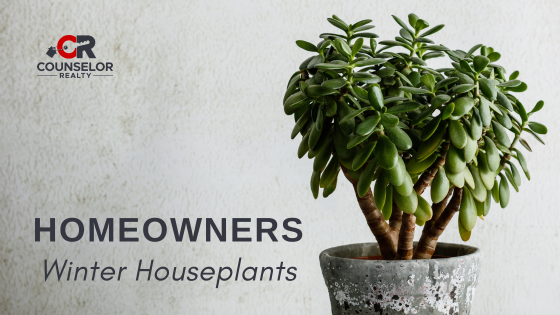
Thanks to chilly temperatures and shorter days, many homeowners find themselves spending more time at home during the winter months. Whether you plan to stay in your home or explore other Maple Grove homes for sale options, the winter season is an excellent time to makeover your home and add mood-boosting houseplants. Here's what you need to know about incorporating plants into your winter home makeover.
Choose From Several Indoor Houseplants
Houseplants are a popular addition to Minnetonka homes for sale that boosts a home's ambiance, helps improve indoor air quality, and enhances your home's overall mood. Thanks to the selection of indoor plant species, it's possible to find a variety that suits your maintenance needs, home environment, and aesthetic preferences.
- Crassula, also known as the Jade Plant, does excellent in conditions with low light. It can also tolerate colder temperatures and requires infrequent watering. The classic design looks well in several rooms, including kitchens, dining areas, and bedrooms.
- Succulents are another terrific choice thanks to their small size and large species selection. Most succulents do require four hours of direct sunlight each day, and it's essential to avoid over-watering them.
- Oxalis triangularisis is a lovely low-maintenance plant with distinctive purple leaves. It's a bold, fun addition to your home; the plant closes its blooms and leaves at night and then opens them in the morning.
- Pothos is a durable houseplant that's well-suited to beginning gardeners. This plant has trailing vines that thrive in chillier spots of your home or areas with low lighting. Some plant enthusiasts even believe that a pothos plant adds positive energy to your home.
Different Care During the Winter Months
Most plants have different care needs during the winter months.
- Cold temperatures and dry air will encourage some plants to grow more slowly or even enter a dormant period where growth is minimal or non-existent. Ideally, the temperature in your home should be between 65 and 75 degrees Fahrenheit during the day, while nighttime temps should stay above 50 degrees Fahrenheit.
- Slower growth means that plants need less water. If you over-water a plant, this can lead to root rot. Don't judge the plant's watering needs based on the surface-level soil; instead, stick your finger a couple of inches into your plant's soil to see if it's dry. When this soil is dry, it's time to water.
- Cold water can shock your plant's roots. Make sure that the water you use for plant watering is room temperature, and allow the water to sit out for a couple of hours before your watering session.
- Dry air in your home can be detrimental to your plants. Fortunately, running a humidifier is an easy way to boost your home's humidity levels. If you prefer to skip the humidifier or are worried your home's air is still too dry, consider housing your plants together.
- Plants expel moisture from their leaves. Having plants live in close proximity to each other allows them to utilize this moisture.
- A misting device can also be used to combat low humidity levels. Should you go this route, you'll need to use the misting device several times a day, throughout the day, for it to be effective.
Houseplants are a fantastic solution for adding life and positive energy to your home. They also make your home more appealing to potential homebuyers. Ready to list your home? Call today to get started.