
Subscribe and receive email notifications of new blog posts.
 RSS Feed
- 2026 | 47 Posts
- 2025 | 52 Posts
- 2024 | 47 Posts
- 2023 | 45 Posts
- 2022 | 50 Posts
- 2021 | 54 Posts
- 2020 | 49 Posts
- 2019 | 39 Posts
- 2018 | 30 Posts
27
How to Ensure Your Home is Healthy for You
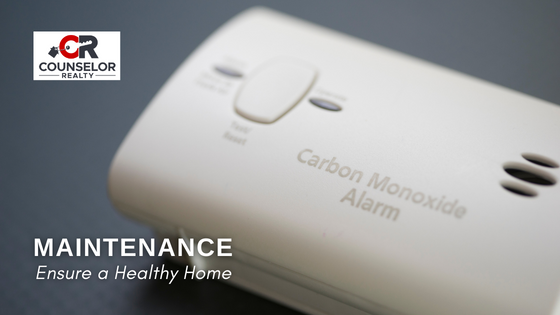
If you're a current homeowner or looking for Coon Rapids homes for sale or Detroit Lakes homes for sale, you know that keeping your family comfortable and safe is a big priority. One way to do this is by providing a healthy home environment free of air pollutants, toxic chemicals, mold, and pests. To ensure your family stays safe and healthy, perhaps it's time to do a home inspection to evaluate your home's safety.
Home Inspections
Home inspections are essential when buying a new home because they rule out hazardous conditions like foundation cracks, roof damage, faulty wiring, leaky plumbing, and dangerous chemicals and contaminants like asbestos, lead, radon, carbon monoxide, and black mold. If you're looking at a new house, a home inspection is essential during escrow to ensure your new home provides a safe environment.
Since the Minnesota Department of Health (MDH) does not perform routine testing in homes for contaminants, you will need a qualified home inspector to do the job. A professional inspection typically covers the home's structure, electrical wiring, plumbing system, heating and cooling system, and drainage system. Be law, all homes built before 1978 must be tested for lead-based paint, an important safety check when there are children in the home.
Home Safety Tips You Can Do Yourself
Kitchens
- Install a range hood or exhaust fan that vents outside
- Install smoke and carbon monoxide alarms
- Use safe cleaning products and pesticides
- Prevent ants, cockroaches, and mice
- Never use the stove or oven to heat your home
- Check gas appliances for carbon monoxide leaks each year
Bathrooms
- Install an exhaust fan that vents outside
- Install grab bars next to the bathtub and shower
- Use non-slip bath and shower mats
- Get rid of moisture and mold quickly
Bedrooms, Family Rooms, Living Rooms
- Install safe flooring like wood, carpet, or non-slip tile
- Install smoke and carbon monoxide alarms
- Avoid extension cords
- Prevent clutter
Hallways and Stairways
- Install handrails
- Install non-slip carpet or stair treads
- Provide adequate overhead lighting
- Keep stairs free of clutter
- Repair loose handrails and steps, and frayed carpet
Utility and Laundry Areas
- Change furnace and air conditioner filters once a month
- Make sure the clothes dryer vents outside
- Set the hot water heater at 120 degrees F to prevent burns
- Check for water leaks, especially if the hot water heater and washer/dryer are in the garage
Attics and Basements
- Check regularly for signs of water leaks
- Provide proper ventilation to prevent mold growth
- Seal gaps around attic and roofing openings to prevent insects and rodents
- Avoid over-storage and clutter to prevent rodent nesting
Outdoor Areas
- Maintain gutters, downspouts, and roof shingles to prevent moisture from entering the house
- Maintain wells and septic tanks to prevent illness
- Repair cracks, holes, and leaks in the foundation, siding, and roofing
- Eliminate standing water that attracts mosquitoes and other pests
- Keep a lid on trash containers
- Keep your yard clean and free of debris and trash that attracts pests
Special Safety Tips to Protect Children
- Install cordless blinds and shades or tie cords out of reach
- Install safety covers on electrical outlets
- Install safety gates at the top and bottom of the stairs
- Keep prescription and over-the-the counter drugs in a locked container
- Keep cleaning, gardening, and pest control products out of reach
- Install a safety fence around the swimming pool and hot tub
If you're interested in buying or selling your Minnesota home, call today for information on available properties and prices that fit your lifestyle. We can help you find the perfect fit.